
3 superfoods that help care for and strengthen the respiratory system
- Editorial Safeliz
- Health
- 0 comments
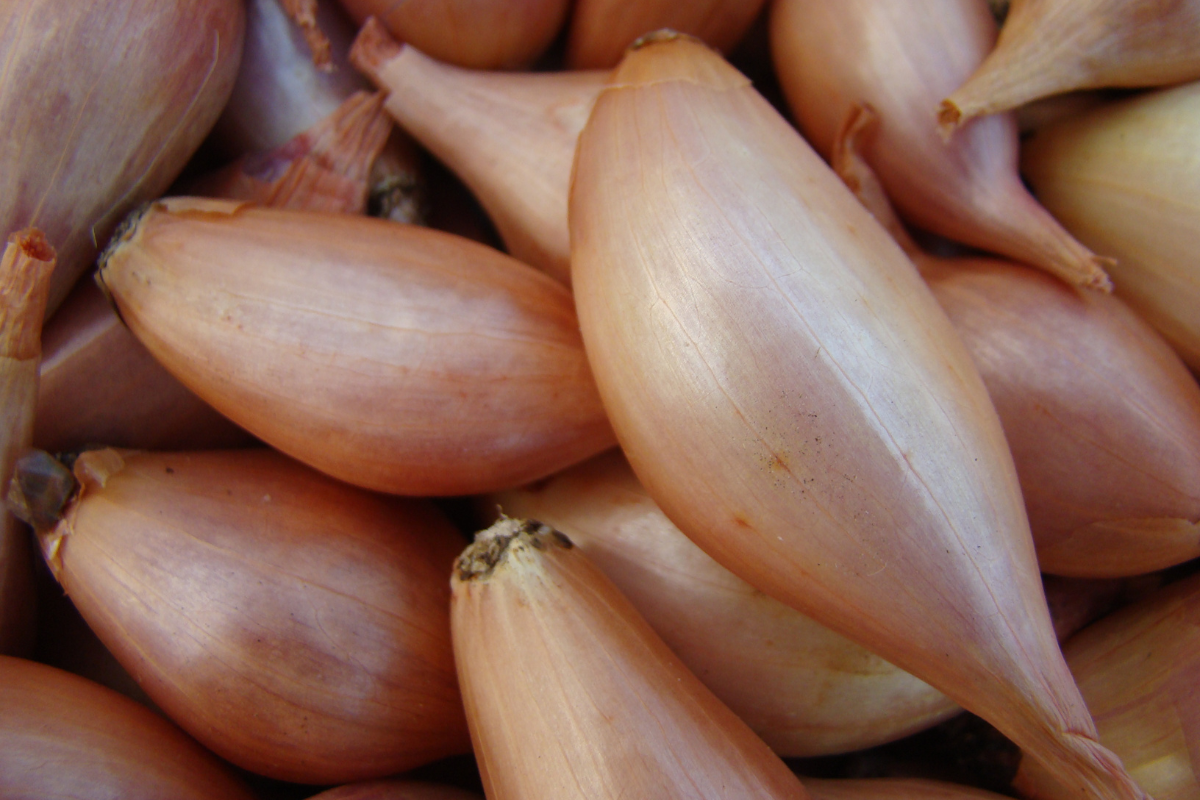
1. Shallots: small, mild, and surprisingly powerful
At first glance, shallots may seem like a simple variety of onion, but they have a very special nutritional and medicinal profile. With a sweeter and more refined flavor, this bulb has been valued for centuries in both cooking and natural medicine.
Its true power lies in its sulfur compounds, such as allicin and other thiosulfinates, which are responsible for its mucolytic action. These compounds help thin mucus, facilitating its elimination and relieving coughs. In addition, shallots are rich in quercetin, which has a powerful anti-inflammatory action, ideal for soothing irritated airways.
Thanks to these properties, shallots are particularly useful in respiratory infections such as sinusitis, pharyngitis, tonsillitis, and bronchitis. Their volatile essence spreads throughout the body and acts mainly through the lungs, helping to fight viruses and bacteria without altering the intestinal microbiota.
Eaten raw in salads or sauces, or lightly cooked, shallots become a daily ally in gently and effectively protecting the respiratory system.
2. Camu camu: the antioxidant powerhouse that cleanses and protects the lungs
Native to the Amazon rainforest, camu camu is one of the richest sources of vitamin C in existence.
Its extremely acidic taste makes it unusual as a fresh fruit, but in the form of juice, frozen pulp, or supplements, it displays impressive therapeutic power. The vitamin C in camu camu, accompanied by flavonoids and phenolic compounds, acts as a powerful antioxidant and anti-inflammatory.
This makes it an excellent support for strengthening the immune system and reducing oxidative damage to the lungs, especially in smokers or ex-smokers.
Studies have shown that camu camu helps reduce systemic inflammation and oxidative stress more effectively than vitamin C alone. It also helps protect artery walls, improve circulation, and support the body against colds and flu.
Including camu camu in your diet is a natural way to strengthen the respiratory system, promote detoxification, and support lung recovery processes.
3. Horseradish: the natural antibiotic for the respiratory tract
With its intense and spicy flavor, horseradish does not go unnoticed. Its traditional use as a remedy for respiratory conditions is now backed by scientific studies that confirm its powerful antimicrobial and anti-inflammatory action.
When grated, it releases isothiocyanates, volatile sulfur compounds with the ability to destroy bacteria, viruses, and fungi, including some that are resistant to antibiotics. After consumption, these substances are partially eliminated through exhaled air, acting directly on the bronchi, throat, and sinuses. Horseradish is especially effective in cases of bronchitis, sinusitis, pharyngitis, and common colds. It also has a mucolytic effect that helps clear the respiratory tract and facilitates expectoration.
It can be eaten raw, grated, mixed with honey or apple, or in the form of homemade syrup.
However, due to its intensity, it should be used in moderation and avoided by people with sensitive stomachs or certain medical conditions.
Natural support for better breathing
Incorporating these superfoods into your regular diet is a simple and natural way to take care of your respiratory system. Shallots, camu camu, and horseradish work on several fronts: they fight infections, reduce inflammation, strengthen defenses, and help keep the airways clear and functional.
And if you want to discover even more superfoods with therapeutic properties for respiratory, cardiovascular, digestive, and other health benefits, you will find comprehensive, detailed, and scientifically-based information in the book The Medicinal Power of Superfoods by Dr. Jorge D. Pamplona, available at SafelizWellness.com.





comments (0)