
How can we introduce faith to young children at home?
- Editorial Safeliz
- Family
- 0 comments
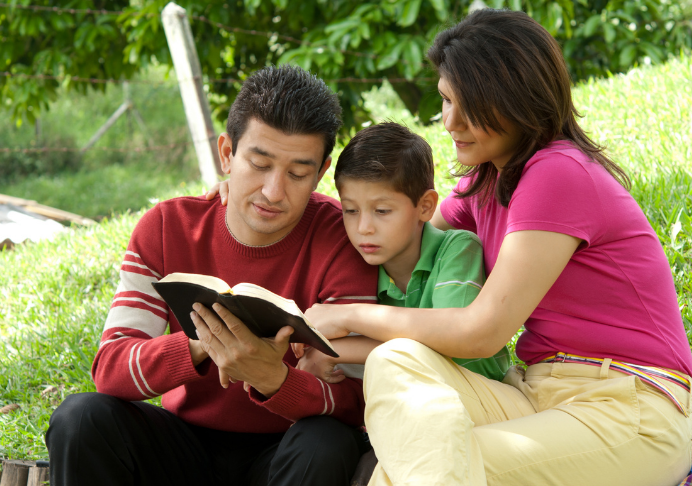
Faith is not transmitted only through words, but also through everyday experiences, habits and examples. Many Christian parents ask themselves a sincere and important question: How can we help our children to know God in a natural, close and meaningful way at home? The good news is that home is the best place to sow that seed, from the earliest years of life.
Begin with your example
Children learn by observing. Before understanding theological concepts, they perceive attitudes and gestures. When they see their parents praying naturally, thanking God in everyday moments or acting with love, forgiveness and consistency, they are receiving a lesson in living faith. It is not about being perfect, but authentic.
Create simple routines
It is not necessary to turn the home into a formal classroom. Simple daily moments can make a big difference. Praying before going to bed, giving thanks before meals, or spending a few minutes reading an age-appropriate Bible story helps to integrate faith and daily life. The key is consistency and ensuring that these moments are brief, understandable, and enjoyable.
Tell stories that connect
Children love stories, and the Bible is full of fascinating tales. Presenting biblical characters as real people, with fears, mistakes and courage, helps children relate with them. Using illustrated children's Bibles, such as our First Bible, stories, games or activity books makes learning visual, dynamic and memorable.
Design inviting spaces
Creating a small spiritual corner at home can be a valuable tool. It doesn't need to be anything elaborate: a shelf with a children's Bible, such as My Little Bible, Christian books, and colouring books, along with some cushions can become a special space where children associate faith with calm, closeness, and security.
Answer questions honestly and lovingly
Children ask a lot of questions, and that is a wonderful opportunity. Some questions will be simple and others more profound than we expect. It's okay if we don't have all the answers. The key is to listen, validate their concerns and respond sincerely, adapting the message to their level of understanding and always conveying the image of a close and loving God.
Live faith in community
Faith is also strengthened when it is shared. Participating in church activities adapted to children, spending time with other Christian families, or doing charitable work together helps children understand that faith is not just something personal, but a way of living and relating to others.
Sow without forcing
Every child has their own pace. Introducing faith does not mean imposing it, but accompanying. When love, respect and consistency guide the process, faith becomes a gift and not an obligation. What is sown with patience and love today can bear deep fruit tomorrow.
Ultimately, introducing faith to young children begins in everyday life: in a simple prayer, a bedtime story, an honest conversation, or a gesture of love. Home is the first place where children can discover that God is part of their lives and that walking with Him is something good, real, and fun.





comments (0)